Journal
How to Layer a Cowhide Rug Over Another Rug
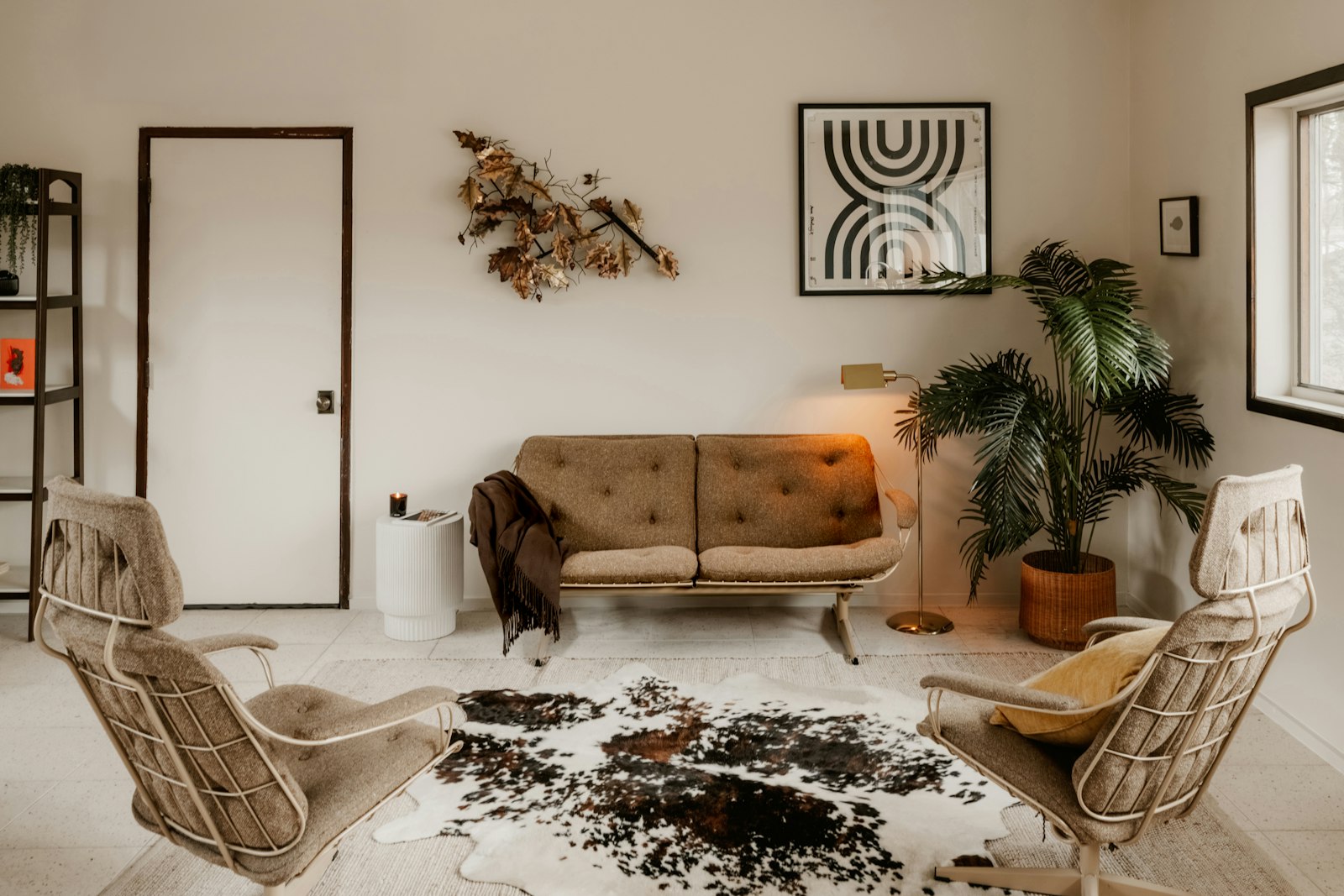
Layering is one of the easiest ways to make a room feel finished, and a cowhide is one of the best rugs to do it with. If you have been wondering how to layer a cowhide rug over a larger rug without it looking messy or becoming a trip hazard, the good news is that a few simple rules cover almost every room. This guide walks through choosing the base rug, getting the proportions right, placing the hide, and keeping everything flat and tidy.
Why Layer a Cowhide Rug at All?
A cowhide has an organic, irregular outline, which is exactly what makes it interesting. On its own in a big room it can look a little small, like an island in the middle of the floor. Placing it over a larger rectangular rug solves that. The base rug anchors the furniture and defines the zone, while the hide adds pattern, texture and a natural shape on top.
It is also practical. You can keep a neutral, hard-wearing base rug and refresh the look simply by swapping the hide.
How to Layer a Cowhide Rug: Choosing the Base
The base rug does most of the work, so start here. The best bases are flat and fairly low in pile, because a cowhide is thin and will look and feel best lying on an even surface.
- Jute and sisal: the classic pairing. Their coarse, nubby weave contrasts nicely with the smooth hair of the hide, and their warm tan color suits almost every cowhide pattern.
- Flatweave wool or kilim: soft underfoot and very stable. A plain or subtly striped flatweave lets the hide stay the focal point.
- Low-pile wool: works well as long as the pile is short and dense, so the hide does not sink or shift.
- Wall-to-wall carpet: fine for a low-pile or loop carpet. On thick, plush carpet a hide tends to creep, so add a grip pad made for rug-on-carpet use.
Avoid deep shag or very high-pile rugs as a base. The hide will sit unevenly, ripple at the edges and move every time someone walks across it. If you are still deciding between base materials, our comparison of cowhide vs jute vs wool rugs covers how each one feels and wears.
Getting the Proportions Right
The most common layering mistake is a hide that is almost the same size as the rug underneath. The effect you want is a clear frame of base rug showing all around, so the two read as deliberate layers rather than a near miss.
- Aim for the base rug to be noticeably larger than the hide on every side. A visible border of roughly 30 to 60 cm (about 12 to 24 inches) usually looks balanced.
- In a living room, size the base rug to the furniture first, so at least the front legs of the sofa and chairs sit on it. Then choose a hide that fits comfortably within the open area in front of the seating.
- If the base rug is small, go with a smaller hide or skip layering in that spot. A hide that spills well past the base on several sides tends to look accidental.
Measure the open floor and the base rug before you buy, and lay out painter’s tape in the rough shape of the hide to test it. Our cowhide rug size guide has more detail on matching hide sizes to rooms.
Placement: Straight, Angled or Off Center
Because a cowhide has no straight edges, you have more freedom with placement than you would with a second rectangular rug. Three approaches work well.
Centered and aligned
Line the spine of the hide up with the long side of the base rug and center it. This is the calmest option and suits more formal or symmetrical rooms, such as a living room arranged around a fireplace.
Angled
Turn the hide on a slight diagonal across the base rug. Even a modest angle softens a boxy room and adds a relaxed, collected feel. Keep the angle intentional, somewhere around 15 to 45 degrees, so it does not look like the hide has simply been kicked out of place.
Off center
Shift the hide toward one side, for example under a reading chair or in front of one end of the sofa. This works well in larger rugs where a centered hide would leave awkward empty space, and it gently draws the eye to a particular corner.
Pairing Colors and Patterns
A simple rule keeps layered rugs looking calm: let one layer carry the pattern and keep the other quiet. Since a cowhide already brings strong natural markings, a plain or softly textured base is usually the safest choice.
- A black and white cowhide gives the strongest contrast. It looks crisp over natural jute or a pale ivory flatweave.
- A salt and pepper cowhide has a finer, speckled pattern that reads almost as a texture. It pairs easily with grey, cream or oatmeal bases and is a good choice if you want a subtler layered look.
- A brindle cowhide brings warm browns and tiger-like striping. It sits beautifully on tan jute or warm wool and suits rooms with wood, leather and brass.
If you do want a patterned base, such as a vintage-style rug, pick a hide whose colors echo one of the tones in that pattern, and choose a quieter hide rather than a high-contrast one. Two busy layers fighting for attention is the main thing to avoid.
Keeping a Layered Cowhide Flat and Safe
Cowhides are thin and light, so on top of another rug they can slide or curl at the edges, especially in busy walkways. A few small steps help.
- Use a thin rug pad or rug-to-rug gripper underneath. Choose one sized slightly smaller than the hide so it stays hidden.
- Let a new hide relax before you judge how it lies. Cowhides are often folded or rolled for shipping, and creases usually ease over a few days once the hide is laid flat.
- If an edge keeps lifting, place a piece of furniture leg or a heavy side table partly on it, or rotate the hide so the curled edge sits away from where people walk.
- Shake out or vacuum the hide in the direction of the hair, and lift it occasionally to vacuum the base rug underneath, since grit can collect between layers.
Where Layering Works Best
Living rooms are the obvious place, but layering works in other spaces too. In a bedroom, a large base rug under the bed with a hide angled at the foot adds softness where you step out each morning. In a home office, a hide over a flatweave defines the desk area and adds warmth to a functional room. Entryways and hallways are trickier because of heavy traffic, so if you layer there, use a good gripper and keep the hide well away from door swings.
Find the Right Hide for Your Layered Look
Whether you want bold contrast or a soft, natural texture over your favorite base rug, take a look through our cowhide rug collection to find the pattern and color that suits your room.