Journal
Marble, Limestone or Travertine: Choosing a Fireplace Surround
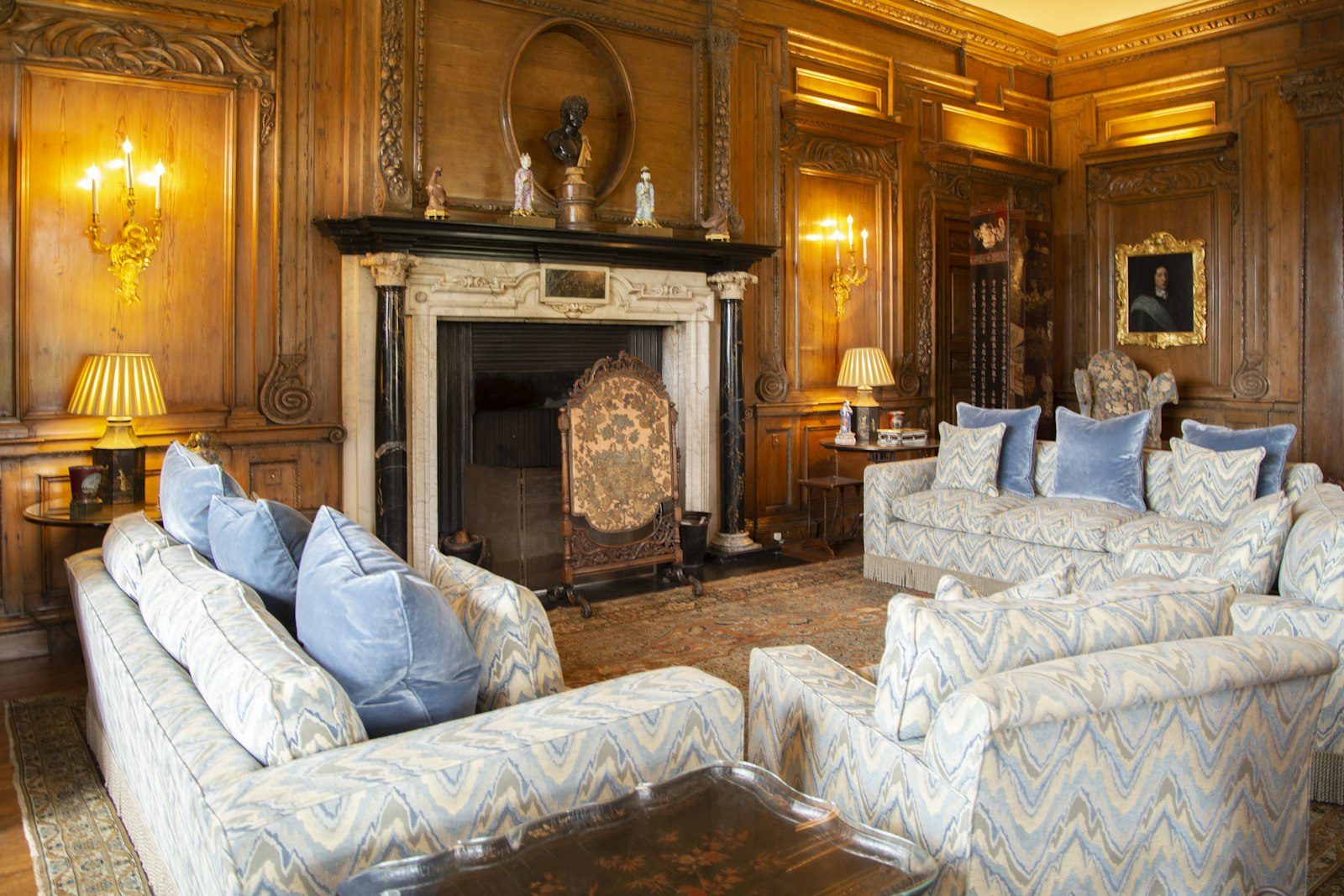
A stone surround sets the character of a fireplace, and of the room around it. Marble, limestone and travertine are all natural stones with long histories around the hearth, but they look and behave quite differently.
Marble
Marble is prized for its veining and the depth it takes on when polished. White Carrara has soft grey veins and suits both period and modern rooms; black Nero Marquina, with its fine white veining, makes a dramatic, graphic statement. Marble can be honed to a soft matte finish or polished to a shine.
It is a calcium-based stone, so acidic liquids such as wine or citrus can etch the surface. A good sealer and prompt wiping keep it looking its best.
Limestone
Limestone has a quiet, even texture in warm creams and greys, with little or no veining. It is softer than marble, which is why it has been the classic choice for carved mantels: scrolls, cartouches and moulded shelves come out crisp and beautiful. It suits traditional and country interiors especially well.
Limestone is more porous than marble, so it should be sealed to resist soot and staining.
Travertine
Travertine is a form of limestone with natural pits and channels, usually filled and honed for a smooth surface. Its warm, sandy tones and gentle texture feel relaxed and contemporary, and it works beautifully in clean, square surrounds.
Which should you choose?
- For a formal or high-contrast look: polished marble, white or black.
- For carving and traditional detail: limestone.
- For warmth in a modern room: honed travertine.
Before you order
Measure your firebox opening and the wall space around it, and check local building codes: they set how far combustible materials must sit from the opening. Stone surrounds are heavy, so we recommend professional installation.
See our fireplace surrounds and mantels, from the Carrara marble surround to the carved Louis XV limestone mantel. Each is made to order, with opening and overall dimensions listed on the product page.