Journal
Fireplace Mantel Height: How High Should a Mantel Be?
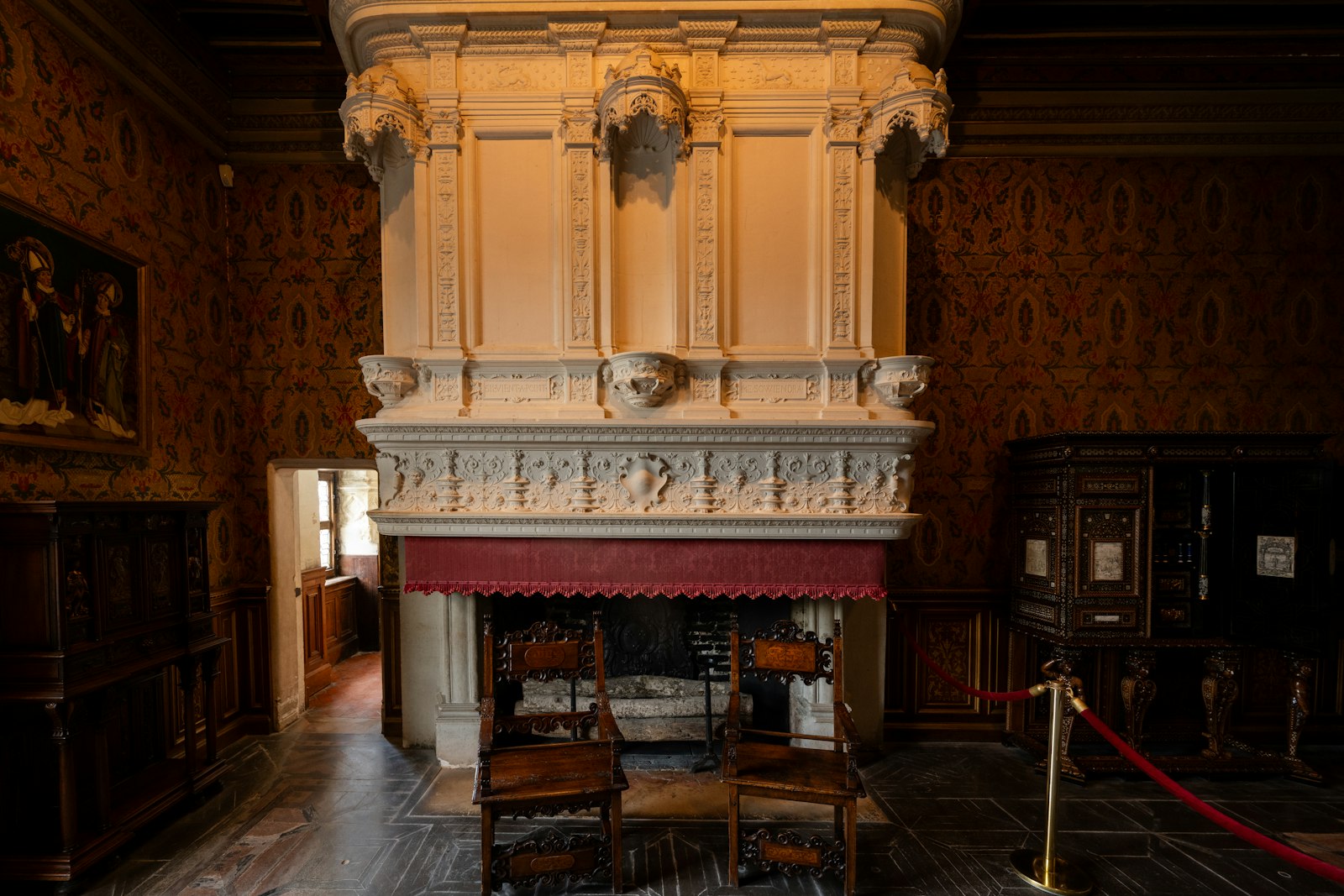
Getting the fireplace mantel height right is one of those decisions that quietly shapes a whole room. Set the shelf too low and the fireplace looks squat and crowded. Set it too high and the mantel floats away from the hearth, leaving a blank band of wall and a shelf you can barely reach. The good news is that there is a sensible range that works in most rooms, and a few simple checks will tell you where in that range your mantel belongs.
What Is a Typical Fireplace Mantel Height?
In most living rooms with a standard ceiling, the top of a mantel shelf usually sits somewhere between about 54 and 60 inches from the finished floor. That puts it a little below eye level for most adults when standing, which is where a shelf feels natural to look at and to style.
That figure is a starting point rather than a rule. The right height for your room depends on four things: the size of the firebox opening, the height of the ceiling, the proportions of the surround itself, and any safety clearances required by your fireplace or local code.
Start With the Firebox Opening
The mantel should relate to the opening below it. A useful way to think about it is in layers: the opening, then a band of surround or frieze above it, then the shelf. When that middle band is too thin, the mantel looks pressed down onto the fire. When it is too deep, the shelf looks disconnected.
For a traditional surround, a frieze roughly a third to a half the height of the opening often looks balanced. A tall, narrow opening can carry a slightly deeper band. A wide, low modern opening usually looks better with a slimmer band and a shelf kept closer to the fire.
Safety Clearances Come First
Before you think about looks, check the clearances. Fire safety rules exist for good reason, and they can set the minimum height for you.
- Combustible mantels (wood shelves and timber beams) generally need to sit a set distance above the firebox opening, and many building codes limit how far a combustible shelf can project depending on how close it is to the opening. The deeper the shelf, the higher it usually needs to be.
- Gas fireplaces and inserts come with manufacturer instructions that specify minimum mantel clearances. Those instructions take priority, so read them before you fix a height.
- Stone surrounds such as marble, limestone and travertine are noncombustible, which gives you more freedom, but any wood paneling, trim or shelf above them still has to respect the clearances.
- Local codes vary. If you are building or replacing a surround, a quick check with your installer or local building department is worth the time.
This is one reason solid stone is such a popular choice. A carved stone piece like our Louis XV Carved Stone Mantel or the simpler Limestone Hearth Mantel brings the shelf, jambs and frieze together as one noncombustible unit, so the proportions are designed in from the start.
Adjusting for Ceiling Height
Ceiling height changes how a mantel reads from across the room.
Standard ceilings (around 8 to 9 feet)
Stay within the usual range. A shelf at around 54 to 58 inches leaves enough wall above for a mirror or artwork without crowding the ceiling.
Tall ceilings (10 feet and above)
You can raise the mantel a few inches and choose a surround with more height and presence. A taller frieze or a deeper shelf helps the fireplace hold its own against a large wall. You will also have room for a generous overmantel mirror or a large piece of art, which visually links the fireplace to the ceiling.
Low ceilings or cottage rooms
Keep the mantel a little lower and the profile slim. A simple shelf with plain jambs feels right in a smaller room and stops the fireplace wall from looking top heavy.
Mantel Depth and Overhang
Height and depth work together. Most mantel shelves are somewhere around 6 to 12 inches deep. A shallow shelf looks crisp and modern but gives you less room for styling. A deeper shelf can hold layered objects and leaning art, though if it is combustible it may need to sit higher to meet clearances.
The shelf should also extend a little past the surround on each side. A few inches of overhang gives the mantel a finished, intentional look. If the shelf is flush with the jambs, it can look like an afterthought.
If You Plan to Hang a TV Above the Fireplace
This is where many mantels end up too high. A television mounted above a fireplace already sits above comfortable viewing height, so pushing the mantel up to make room for it makes the problem worse. If a TV must go over the fireplace, keep the mantel at the lower end of the range, keep the shelf shallow so the screen can sit close above it, and check that heat from the fire will not reach the television. Many people find that a mirror or artwork over the mantel and the TV on another wall works better for the room.
A Simple Way to Test Before You Commit
Mantels are heavy and permanent, so it pays to mock up the height first.
- Mark the outline of the firebox opening on the wall with painter’s tape.
- Tape a horizontal line at your proposed shelf height, and a second line showing the shelf depth on the floor below it.
- Prop a long board or a piece of cardboard at the shelf line to stand in for the mantel.
- Step back to the main seating spots and look at it from there, not just from close up.
- Try the line an inch or two higher and lower. The right height usually becomes obvious once you compare.
While the tape is up, hold a mirror or frame above the line to see how much wall you have left for styling. A tall piece such as a gilded baroque wall mirror needs more clearance above the shelf than a pair of small prints.
Quick Reference
- Typical shelf height: about 54 to 60 inches from the floor in most rooms.
- Frieze above the opening: often a third to a half of the opening height for a traditional look.
- Shelf depth: around 6 to 12 inches, with a few inches of overhang at each side.
- Clearances: always follow the fireplace manufacturer and local code, especially for wood shelves.
- Tall ceilings can take a higher, more substantial mantel; low ceilings suit a lower, slimmer one.
Once the height is settled, the fun part begins. Our guide on how to style a mantel covers layering, balance and seasonal changes so the finished shelf looks as good as it is proportioned.
If you are choosing a surround to build around, take a look through our fireplace collection. Each piece is cut in natural stone, from crisp Carrara marble to warm honed travertine, and is a lovely place to start planning the heart of a room.