Journal
How to Mix Metals in Home Decor Without It Looking Accidental
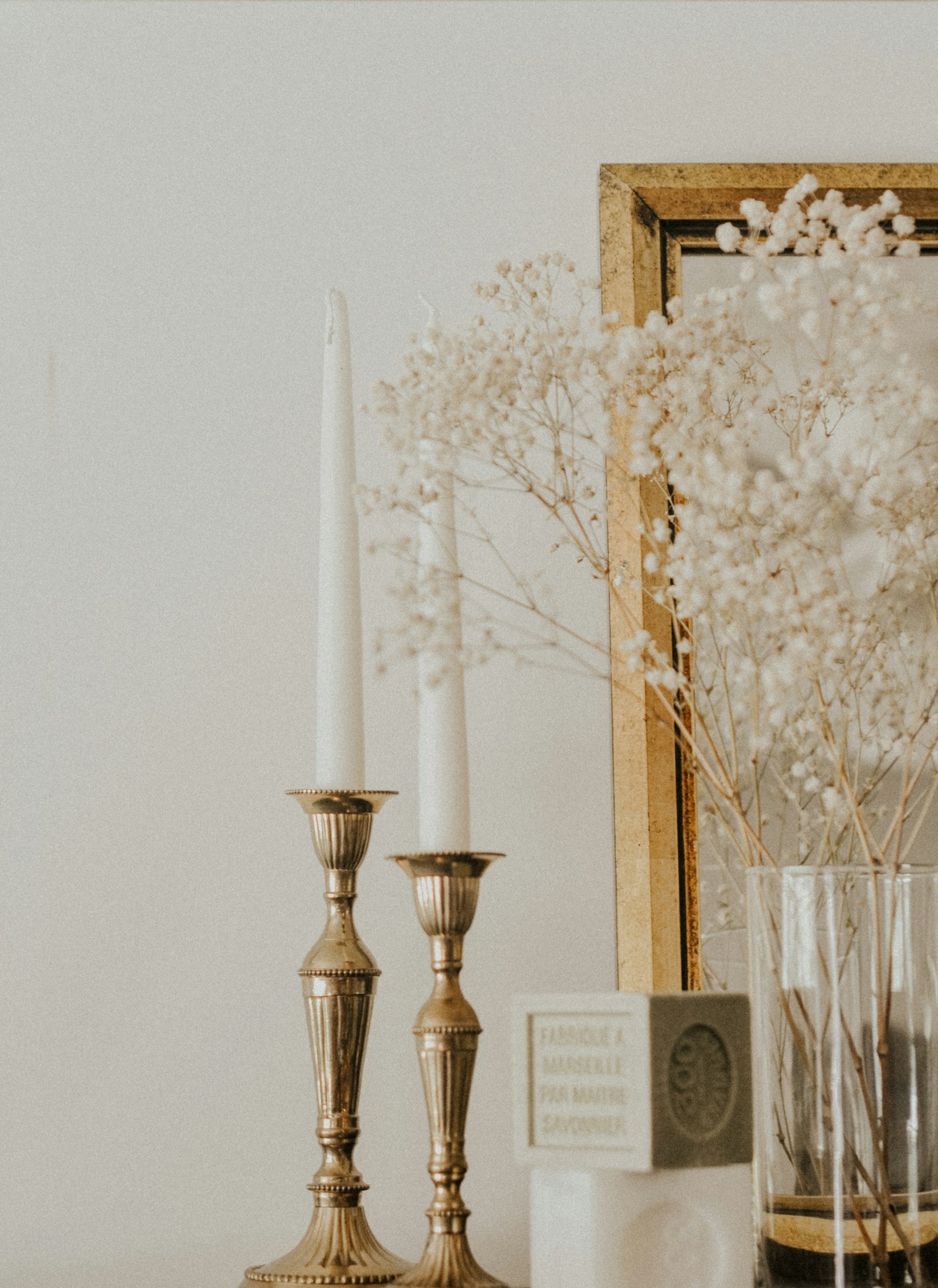
For years the rule was simple: pick one metal finish and stick to it. Brass taps meant brass handles, brass lamps and brass frames. That rule has relaxed, and most well-loved rooms now combine two or three finishes without looking chaotic. If you have been wondering how to mix metals in home decor without it reading as an accident, the answer comes down to a few practical habits: choose a lead, limit the cast, repeat each finish, and pay attention to texture and undertone.
Why Mixing Metals Works
A room furnished in a single finish can feel flat, a little like a showroom set. Different metals catch light differently. Polished brass glows warm, blackened iron reads as a crisp outline, and nickel or chrome gives a cool, clean shine. Put them together with some intention and the room gains depth, the same way a mix of wood tones or fabrics does. It also frees you to keep pieces you love, such as an inherited mirror or a favorite lamp, even when they do not match everything else.
How to Mix Metals in Home Decor: Five Ground Rules
1. Choose a dominant metal
Let one finish do most of the talking. It usually shows up in the largest or most permanent items: a light fixture, cabinet hardware, a large mirror frame or a coffee table base. A common split is to give the lead metal roughly two thirds of the visible metal in a room and let the others share the rest. This is a guide rather than a formula, but it keeps the eye from bouncing between finishes of equal weight.
2. Keep it to two or three finishes
Two metals feel deliberate. Three can work well in a larger room. Beyond that, the mix tends to look unplanned. A dependable trio is one warm metal (brass or gold), one cool metal (nickel, silver or chrome) and one dark metal (black iron or bronze) used as an accent.
3. Repeat every finish at least twice
A single chrome object in an otherwise brass room looks like it wandered in from somewhere else. Show it again across the room, even in something small like a picture frame or a lamp base, and it suddenly looks chosen. Repetition is what turns a mix into a scheme.
4. Mind the undertones
Metals lean warm or cool. Brass, gold, copper and bronze are warm. Silver, nickel, chrome and stainless steel are cool. Black sits in the middle and works as a bridge between the two. If your walls, wood and textiles lean warm, let a warm metal lead. In a room of grey, white and cool stone, a cool metal is the natural lead and brass becomes a lovely accent.
5. Vary sheen and texture on purpose
Polished, brushed, hammered and antiqued finishes of the same metal can all live together, and the contrast is part of the appeal. A hammered brass bowl next to smooth, polished candlesticks shows the same metal in two moods. Just avoid near misses, such as two slightly different yellow golds side by side, which can look like a mismatch rather than a choice.
Room by Room Ideas
Living room
Start with your ceiling light, since it is often the biggest piece of metal in the room. A brass fixture such as the Orbit Brass Globe Chandelier sets a warm lead. Echo it on a side table or mantel with brass objects, then bring in a darker metal through a floor lamp or curtain rod. If you have chrome or nickel elsewhere, a slim frame or tray on the coffee table repeats it quietly.
Dining room
Tables are a natural place to layer metals because they change with the occasion. Brass candlesticks, silver flatware and a dark iron chair frame can share a room comfortably. Keep the chandelier and the largest wall piece in the same family so the room has a steady backbone, and let the table settings carry the variety.
Kitchen and bath
These rooms have the most fixed metal, so plan before you buy. A popular approach is to match all the plumbing fixtures in one finish, then use a second finish for cabinet pulls and lighting. Keeping taps consistent matters more than most other choices, because they sit close together and differences are easy to spot.
Entryway and mantel
A console or mantel is a small stage, which makes it a good place to practice. Anchor it with one large piece, such as a gilded mirror, then add a pair of brass taper candlesticks to repeat the warm tone. A dark metal or stone object adds weight at one end. For more on arranging the pieces themselves, our guide on how to style a mantel walks through height, balance and spacing.
Simple Pairings That Rarely Miss
- Brass and black: warm and graphic, suits both traditional and modern rooms.
- Nickel and brass: a soft, classic mix, especially with white or cream walls.
- Bronze and gold: rich and moody, lovely with dark woods and deep paint colors.
- Chrome and black: clean and crisp, a good fit for minimal spaces.
- Copper and iron: earthy and relaxed, works well with natural textures like linen and leather.
Common Mistakes to Avoid
- Giving every metal equal weight. Without a lead finish the room can feel undecided.
- Clustering one finish in one corner. Spread each metal across the room so the eye travels.
- Mixing finishes on a single small object group. Three tiny pieces in three metals on one shelf tends to look busy. Let small groupings share a finish.
- Forgetting the hardware you already have. Door handles, hinges and switch plates count. Take note of them before you shop.
A Quick Way to Test Before You Commit
Gather the metal objects you already own and group them on a table by finish. You will quickly see which one you have the most of, and that is often your natural lead. Then try placing them around the room in a loose triangle for each finish, step back, and adjust. Look at the arrangement in both daylight and lamplight, since warm bulbs make brass glow and can soften the contrast with cooler metals. It costs nothing and tells you far more than a mood board.
Once you trust your eye, mixing metals becomes one of the easiest ways to make a room feel collected over time. If you are looking for a few warm pieces to start with, browse our decor collection for brass, gilded and sculptural accents that layer easily with what you already have.