Journal
How to Style a Cowhide Rug in a Bedroom
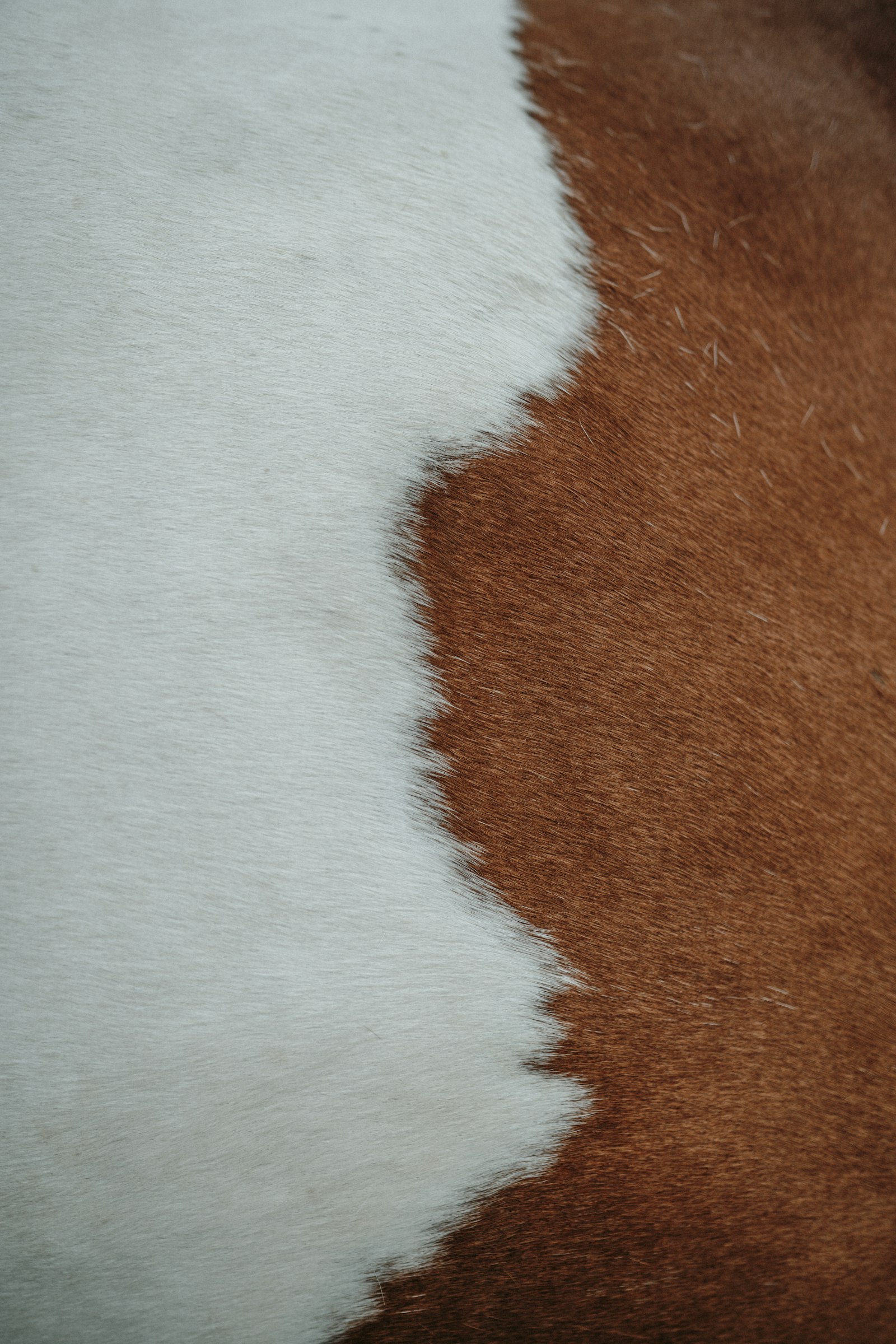
A bedroom is one of the easiest rooms in the house to style a cowhide rug in, and one of the most rewarding. It is the room where you put your feet down first thing in the morning, so a soft, natural hide beside the bed earns its place every single day. If you have been wondering how to style a cowhide rug in a bedroom without it looking like an afterthought, the answer comes down to three things: placement, size and what you surround it with.
Why a Cowhide Works So Well in a Bedroom
Bedrooms tend to be full of soft, flat surfaces: bedding, curtains, upholstered headboards. A cowhide adds a different kind of texture and an organic outline that breaks up all those straight edges. Because every hide is shaped by nature, it never looks quite as formal as a rectangular rug, which suits a room meant for rest.
There are practical reasons too. A bedroom gets light foot traffic, mostly bare feet and socks, which is gentle on a hide. The short hair feels pleasant underfoot, and a cowhide is fairly thin, so it sits comfortably under furniture legs and does not catch on a door the way a thick pile rug can.
Where to Place a Cowhide Rug in a Bedroom
There is no single correct spot. The best placement depends on the size of the bed, the size of the room and where you walk. These are the arrangements that work most reliably.
Angled at the foot of the bed
Laying the hide across the foot of the bed, turned slightly on the diagonal, is the most relaxed look. It frames the bed without hiding under it and leaves the full shape of the hide on show. Let it extend a little past the bed on one or both sides so it reads as intentional rather than dropped there. This works especially well when a bench or blanket chest sits at the end of the bed.
Tucked partly under the bed
For a more anchored look, slide the top third of the hide under the bed so the rest spreads out toward the foot and sides. With a larger hide this gives you something soft to step onto on both sides of the bed. Keep the backbone of the hide roughly in line with the center of the bed so the pattern feels balanced.
Beside the bed
In a smaller room, or where one side of the bed is against a wall, a hide placed along the open side is all you need. Run it lengthwise beside the bed so it catches your feet when you get up. In a shared room, some people prefer a pair of smaller hides, one on each side, for a symmetrical feel.
Layered over a larger rug
If your bedroom already has a large flat-weave, jute or neutral wool rug, a cowhide layered on top at an angle adds depth without competing. Choose a base rug that is fairly flat and plain so the hide sits evenly and stays the focal point.
Choosing the Right Size
Scale makes the biggest difference. As a general guide:
- Twin or full beds: a large hide placed at the foot or along one side usually fills the space well.
- Queen beds: a large hide works at the foot, while an extra large hide can be tucked under the bed and still show on both sides.
- King beds: an extra large hide is usually the better choice, since a smaller one can look lost against a wide bed.
Before you buy, measure the open floor around your bed and mark out the approximate shape with painter’s tape. It takes five minutes and tells you far more than a photo can. Our cowhide rug size guide goes into more detail for every room in the house.
Picking a Color for Your Bedroom
Think about the mood you want rather than just matching your bedding.
- Calm and light: soft greys and speckled hides like the Salt and Pepper Cowhide Rug sit easily with white linen, pale oak and stone.
- Warm and cozy: chestnut tones, such as the Brown and White Cowhide Rug, pair well with walnut furniture, camel and rust textiles, and warm lamplight.
- Bold and graphic: classic black and white is striking against a simple, pared-back room, but can feel busy next to heavily patterned bedding.
- Quiet and textured: brindle hides read almost like a woven texture from a distance, which suits a moody or darker bedroom.
A useful rule: if your bedding or curtains are patterned, choose a quieter hide. If the room is mostly plain, a bolder hide can carry it.
Styling the Rest of the Room Around It
A cowhide looks best when it has a few natural companions. Linen or cotton bedding, a wool throw and a wooden or upholstered bench all complement the hair-on texture. A heavy knit, like our Chunky Knit Throw folded at the end of the bed, echoes the softness of the hide and ties the bed and floor together.
Try to repeat one of the hide’s colors somewhere else in the room, even in a small way. A brown and white hide might be picked up by a leather headboard or a wooden bedside table. A grey hide might be echoed by a stone lamp base or a charcoal cushion. That small repeat is what makes the rug feel chosen for the room.
Practical Tips for Living With It
- Use a rug pad on hard floors. A thin non-slip pad keeps the hide from sliding when you step on it first thing in the morning.
- Mind direct sunlight. Strong sun through a window over many months can fade natural hair, so rotate the hide occasionally if it sits in a bright spot.
- Flatten creases gently. If the hide arrives folded, lay it flat and give it a few days. A little weight on any curled edges helps.
- Shake and brush. Regular shaking outdoors and brushing in the direction of the hair keep it looking fresh. Our guide on how to care for a cowhide rug covers spills and deeper cleaning.
Find the Right Hide for Your Bedroom
Every natural hide is one of a kind, so part of the pleasure is finding the markings that suit your room. If you are ready to look, take a quiet browse through our cowhide rug collection and see which one feels like it belongs beside your bed.