Journal
Cowhide vs Jute vs Wool Rugs: Which Is Right for Your Room?
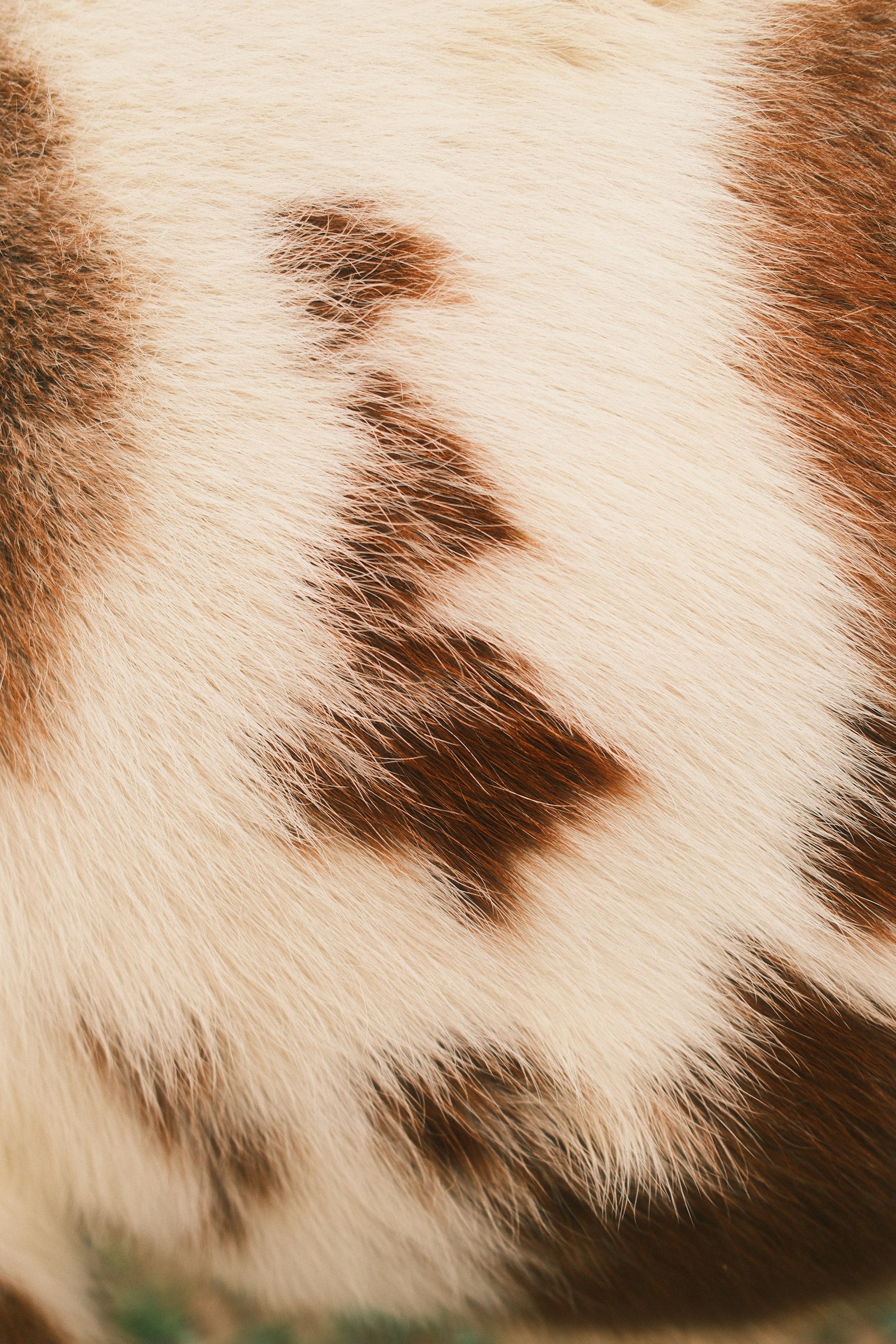
If you are weighing up cowhide vs jute vs wool rugs, you are really choosing between three very different natural materials. One is a hide, one is a plant fibre and one is a soft animal fibre, and each behaves differently underfoot, around spills and over the years. Here is a plain comparison to help you pick the right rug for the room you actually live in.
Cowhide vs Jute vs Wool Rugs at a Glance
- Cowhide: a single natural hide with short, flat hair. Smooth, low profile, organic shape, and every piece has its own markings.
- Jute: woven from the fibres of the jute plant. Textured, earthy and casual, with a firm, slightly coarse feel.
- Wool: spun from sheep’s fleece and woven, knotted or tufted. Soft, warm and springy, available in almost any colour or pattern.
None of these is better across the board. The right answer depends on traffic, spills, pets, how you like a floor to feel, and the look you are after.
How Each Rug Feels Underfoot
Comfort is usually the first thing people notice, so start there.
Cowhide is smooth and cool to the touch, a little like stroking a short-haired animal. It lies almost flat, so there is very little cushioning, but it is pleasant under bare feet and does not catch toes or chair legs.
Jute has the most texture of the three. Some people love the natural, almost massaging feel of the weave; others find it scratchy, especially in a room where they sit on the floor or walk barefoot first thing in the morning.
Wool is the softest and warmest. A thick wool pile adds real cushioning and helps quieten a room, which is why wool remains a favourite for bedrooms, nurseries and family living rooms.
Durability and Everyday Wear
Cowhide
A well-tanned hide is naturally tough. There are no loops to snag and no pile to crush, so it copes well with foot traffic and rolling office chairs. Over many years the hair can wear thinner in the busiest spots, which many owners see as part of its character. A cowhide is not a good match for constant direct sunlight, as strong sun can fade the colours over time.
Jute
Jute is strong in the sense that the fibres are thick, but it is softer than its look suggests and can flatten or fray along heavy walking paths. It also tends to shed small fibres, especially when new. It suits low to medium traffic areas and layering better than a busy hallway.
Wool
Wool fibres are naturally resilient and spring back after being compressed, which is why a good wool rug can last for decades. Expect some shedding in the first months as loose fibres work their way out. Furniture can leave dents, but these usually lift with a little time or gentle brushing.
Spills, Stains and Cleaning
This is where the three really part ways.
- Cowhide has a dense, short coat, so liquid tends to sit on the surface for a moment before soaking in. Blot quickly with a dry cloth, brush in the direction of the hair and let it air dry. Dirt and crumbs do not hide in it, so a regular shake outdoors and a vacuum without the beater bar keep it fresh. It should never go in a washing machine or be soaked.
- Jute is the least forgiving with water. The plant fibres absorb liquid readily, which can leave brown marks or water rings, and a jute rug that stays damp may weaken or develop mildew. Blot spills immediately with as little moisture as possible. Keep jute away from bathrooms, entryways in wet climates and anywhere near a pet water bowl.
- Wool contains natural lanolin, which gives it some resistance to spills and dirt. Most everyday marks lift with prompt blotting and a mild wool-safe cleaner, and a professional clean every so often keeps it in good order. Avoid harsh chemicals and very hot water.
If you have young children or a dining area where spills are a given, cowhide and wool are generally the safer bets.
Pets, Allergies and Shedding
Pet hair is easy to see and easy to remove from a cowhide, because there is no pile for it to burrow into. Claws are less likely to catch than on a looped weave. Jute, on the other hand, can snag on claws and may tempt some cats to scratch. Wool sits in the middle: it holds onto pet hair more than cowhide, but a regular vacuum handles it well.
If anyone in the house is sensitive to dust, a flat surface that is quick to vacuum and shake out can be easier to keep clean than a deep pile.
Style: Which Look Suits Your Room?
Cowhide brings pattern and an organic outline. Because each hide is one of a kind, it reads as a statement piece without being loud. A black and white cowhide adds graphic contrast to a modern or monochrome room, while a brindle cowhide has a warmer, tiger-striped tone that sits comfortably with leather, wood and brass.
Jute is relaxed and neutral. It works well in coastal, rustic and Scandinavian-leaning rooms, and it is a natural partner for linen, rattan and pale timber.
Wool is the chameleon. It can be a plain, tonal base, a traditional patterned rug or a bold contemporary design, which makes it easy to match to almost any scheme.
Why Not Layer Them?
You do not always have to choose. Layering a cowhide over a larger jute or wool rug is a long-standing designer trick. The bigger rug anchors the furniture and adds warmth or texture, while the cowhide on top adds shape and pattern. A few tips:
- Let the base rug be plain or subtly textured so the hide stands out.
- Place the cowhide off centre or at a slight angle for a relaxed, collected look.
- Leave a visible border of the base rug on all sides so the layers look intentional.
- Use a thin rug pad under the base rug to stop either layer from shifting.
Getting the proportions right matters, so it is worth checking our cowhide rug size guide before you measure up.
Quick Guide: Which Rug for Which Room
- Living room: wool for comfort, or a cowhide layered over jute or wool for texture and pattern.
- Home office: cowhide, since chair wheels glide over it and it is easy to keep tidy.
- Bedroom: wool for warmth underfoot, or a cowhide at the side or foot of the bed.
- Dining room: cowhide or a flatweave wool, both of which let chairs slide in and out easily.
- Sunroom or casual lounge: jute, as long as the space stays dry.
If a hide feels like the right fit, take a slow look through our cowhide rug collection. Each one is a natural piece with its own markings, so it is worth choosing the pattern that speaks to you and your room.