Journal
How to Seal a Marble Fireplace: A Step by Step Guide
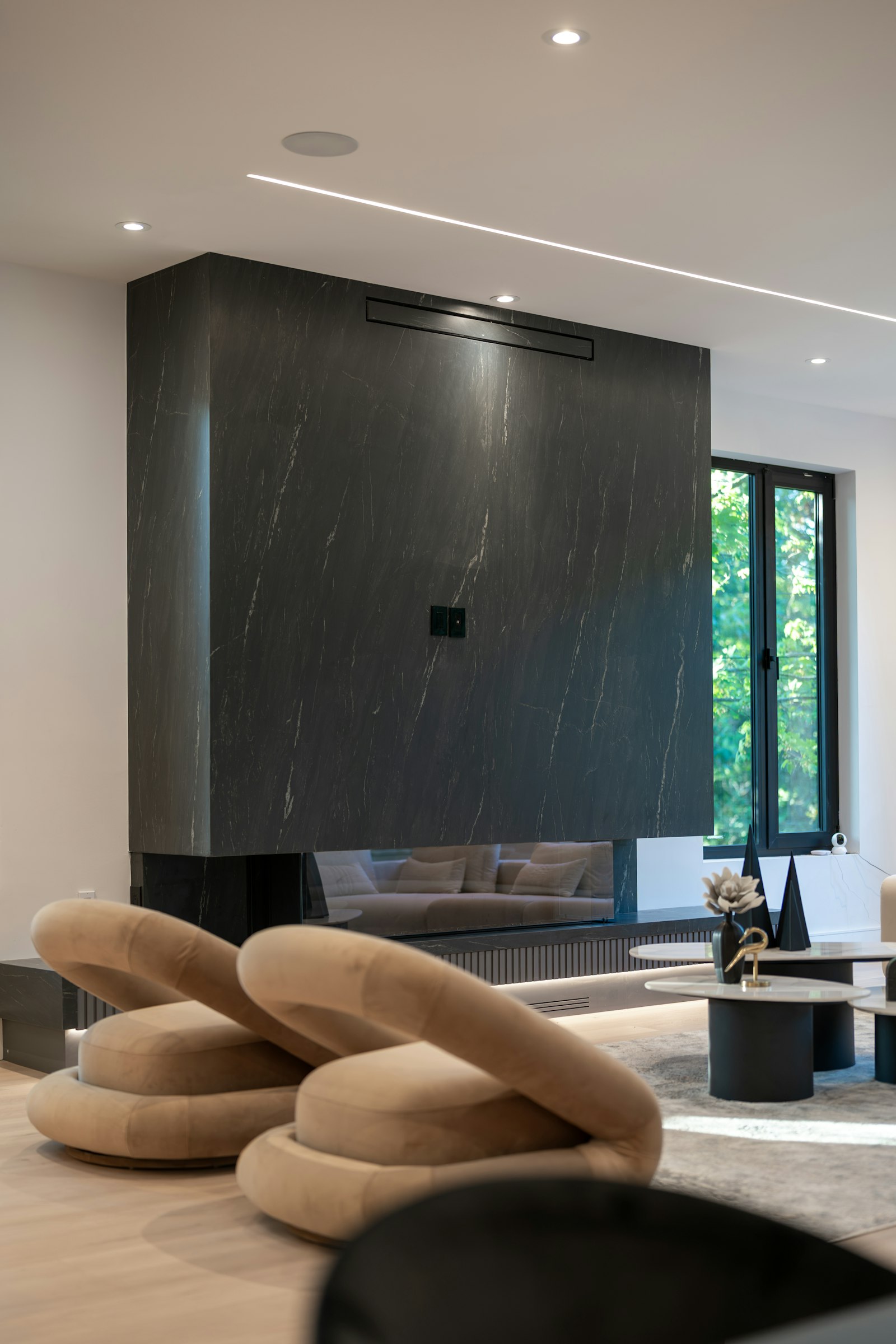
Marble brings a quiet, lasting beauty to a fireplace, but it is a softer and more porous stone than many people expect. Spilled wine, a sooty log, or a candle that drips onto the hearth can leave a mark that settles in for good. Learning how to seal a marble fireplace is one of the simplest ways to protect it, and it is a job most homeowners can do in an afternoon with a cloth and a good penetrating sealer.
This guide walks through what sealing actually does, how to tell when your surround needs it, and the step by step method for doing it well.
What Sealing Does (and What It Does Not)
Marble is made mostly of calcite, and it has tiny pores that can draw in liquids and oils. A penetrating sealer, sometimes called an impregnating sealer, soaks into those pores and slows down absorption. That gives you time to wipe up a spill before it becomes a stain.
It helps to be clear about the limits. Sealing guards against stains, not against etching. Etching is the dull, slightly rough spot left when something acidic, such as lemon juice, vinegar, wine or many household cleaners, reacts with the stone itself. No sealer makes marble acid proof, so gentle, pH neutral cleaning still matters. If you want a refresher on that side of care, our guide on how to clean a marble fireplace covers it.
How to Tell If Your Marble Fireplace Needs Sealing
The easiest check is the water drop test. Place a few drops of water on the hearth and on a spot on the surround, then wait several minutes.
- Water beads and the stone stays the same color: the existing seal is still working.
- The stone darkens under the drops: water is soaking in, and it is time to seal.
- Some areas darken and others do not: high-traffic spots like the hearth often wear faster, so you can focus on those.
Finish matters too. Honed marble, with its soft matte surface, tends to absorb more readily than polished marble, so it usually benefits from sealing more often. There is no single schedule that suits every stone, which is why testing once or twice a year is more reliable than following the calendar.
Choosing the Right Sealer
For a fireplace, look for a penetrating sealer labeled for natural stone or marble. A few points to check on the label:
- Penetrating, not a topical coating. Surface coatings and waxes sit on top of the stone and can cloud, peel or yellow, especially near heat.
- Breathable. A good stone sealer still lets moisture vapor escape, which helps avoid trapped dampness and haze.
- Suitable for fireplaces or heat exposure. Many sealers note whether they are appropriate for surrounds and hearths.
- Oil and water resistance. Soot and candle wax are oily, so a sealer that resists both water and oil based stains is the better choice for a hearth.
Always follow the manufacturer’s instructions for application, dwell time and cure time, since these vary from product to product.
How to Seal a Marble Fireplace, Step by Step
1. Let the fireplace go cold
Plan the job for a day when the fireplace has not been used, and make sure the stone is completely cool to the touch. Sealers should go onto room temperature stone, and many are flammable until cured, so keep any flame well away.
2. Clean the surface thoroughly
Sealer locks in whatever is on the stone, so start clean. Dust the surround, then wash it with warm water and a pH neutral stone cleaner using a soft cloth. Treat any existing stains before you seal, not after. Rinse with clean water and dry with a soft towel.
3. Allow the stone to dry fully
Moisture in the pores keeps sealer from soaking in properly. Many manufacturers suggest waiting a full day after washing. If the stone still looks darker in places, give it more time.
4. Protect the surroundings and test a small area
Tape off adjoining walls, wood mantels and flooring, and open a window for ventilation. Apply a little sealer to an inconspicuous spot, such as the side of a leg or the underside of the hearth edge, and let it dry. Check that the color and finish look the way you want before doing the whole piece.
5. Apply a thin, even coat
Using a clean, lint-free cloth, foam applicator or soft brush, spread the sealer evenly across the stone, working in manageable sections. Pay extra attention to the hearth and the area just around the firebox opening, where soot and spills are most likely. There is no need to seal the inside of the firebox itself.
6. Wait, then wipe off the excess
Let the sealer sit for the dwell time listed on the label so it can soak in. Then buff away any sealer still on the surface with a dry cloth before it dries. Leftover sealer is the most common cause of a sticky or hazy finish.
7. Add a second coat if recommended
Some products call for a second application, especially on honed or more absorbent stone. Repeat the same thin coat and wipe off the excess.
8. Let it cure before lighting a fire
Sealers usually feel dry within hours but take longer to fully cure. Keep the surface free of objects and liquids, and hold off on using the fireplace until the cure time on the label has passed. Afterward, repeat the water drop test to confirm the stone is resisting moisture.
Light vs Dark Marble and Other Calcium-Based Stones
Light marbles such as a Carrara marble fireplace surround tend to show stains, so sealing is especially worthwhile on the hearth. Dark stones like a Nero Marquina marble surround hide stains more easily, but dull etch marks can stand out on a polished black surface, so gentle cleaning remains important.
Limestone and travertine are also calcium-based and generally porous, so the same approach works for them. With travertine, the natural holes are often filled during finishing, and the sealer helps protect both the stone and the filled areas.
Simple Habits That Keep the Seal Working
- Wipe spills promptly with a damp cloth, then dry the spot.
- Use trays or felt pads under candles, vases and decorative objects on the mantel.
- Skip vinegar, lemon, bleach and abrasive cleaners, which can etch the stone or wear down the sealer.
- Sweep ash and soot from the hearth with a soft brush rather than scrubbing.
- Repeat the water drop test from time to time and reseal when water starts to soak in.
With a little care, a marble fireplace only grows more beautiful with age. If you are planning a new surround or simply love looking at natural stone, take a browse through our fireplace collection of marble, limestone and travertine pieces.